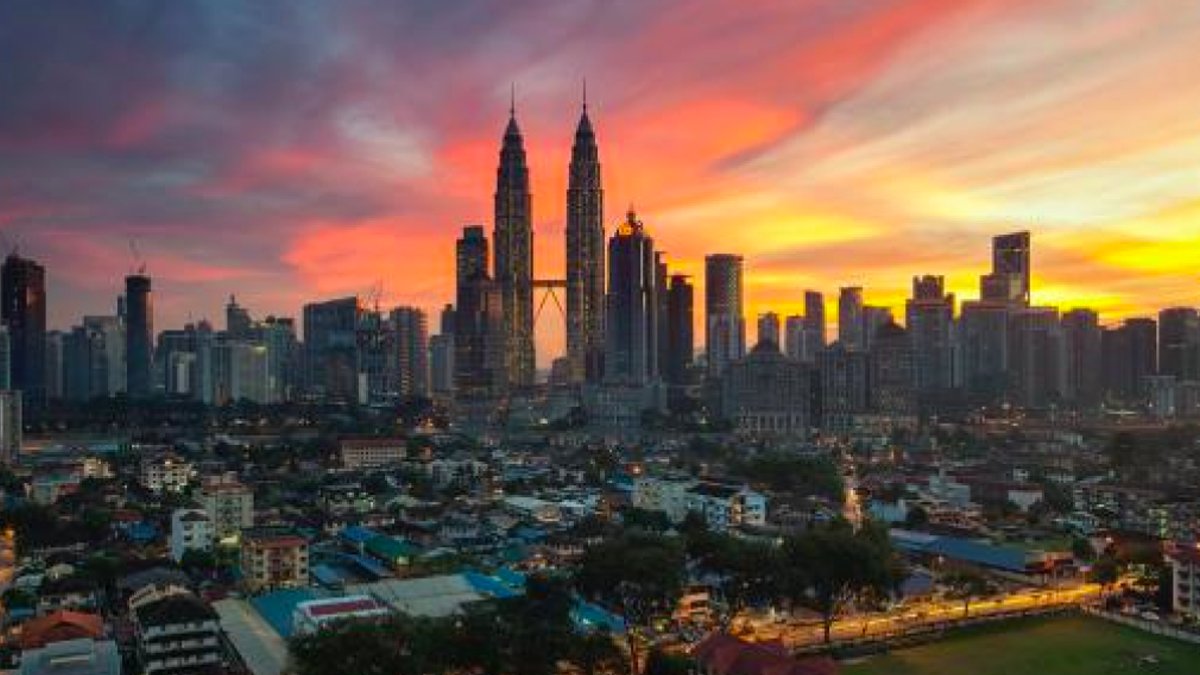
Malaysia’s suburban retail sector is drawing significant interest from institutional investors as domestic consumption strengthens. The property consultancy JLL reports that REITs are increasingly favouring neighbourhood malls in Kuala Lumpur over tourism-dependent city-centre assets.
Why investors are moving to the suburbs
Robust GDP growth, particularly within the services sector, has supported this shift. Labour market stability and rising minimum wages have further boosted retail performance. Post-pandemic behaviour has also changed, with consumers prioritising convenience and shopping closer to home.
Transaction data between 2023 and 2026 highlights this trend. Local institutional investors are acquiring suburban malls in areas including Petaling Jaya, Wangsa Maju and Klang. The focus is on locations with growing residential populations, where expanding catchments can support rental growth.
Setapak and Mont Kiara are also noted for strong demand, driven by student populations and expatriates respectively. Related-party acquisitions and internal asset injections are helping REIT sponsors build portfolio scale, while third-party transactions show broader market confidence in the sector.
While the city centre still has its place, the broader development pipeline is shifting away from the urban core. Nearly all upcoming retail projects are being built outside the city centre, with a growing focus on mixed-use and transit-oriented developments.
DA Central Mall in Bandar Sri Damansara combines retail with residential and office components and direct MRT connectivity. AEON Mall KL Midtown, scheduled for completion by the end of 2026, will integrate retail with offices, residences and a hotel in the Dutamas corridor.
Strategies for performance
Proactive landlord strategies are essential for competitiveness. Well-performing suburban malls are refreshing their tenant mixes, with best practice limiting anchor tenants to no more than 30% of net lettable area. The focus is shifting toward food and beverage, convenience stores and other uses suited to local catchments.
Asset enhancement initiatives are also playing a key role. Refurbishment at Alamanda Shopping Centre to expand retail and entertainment facilities, alongside upgrades to lifts and escalators at Subang Parade, are supporting competitiveness.
As residential living spaces become smaller, malls are increasingly serving as social infrastructure and community hubs. For institutional capital, diversified suburban REIT portfolios can provide exposure to Malaysia’s domestic consumption growth while reducing reliance on tourism.


