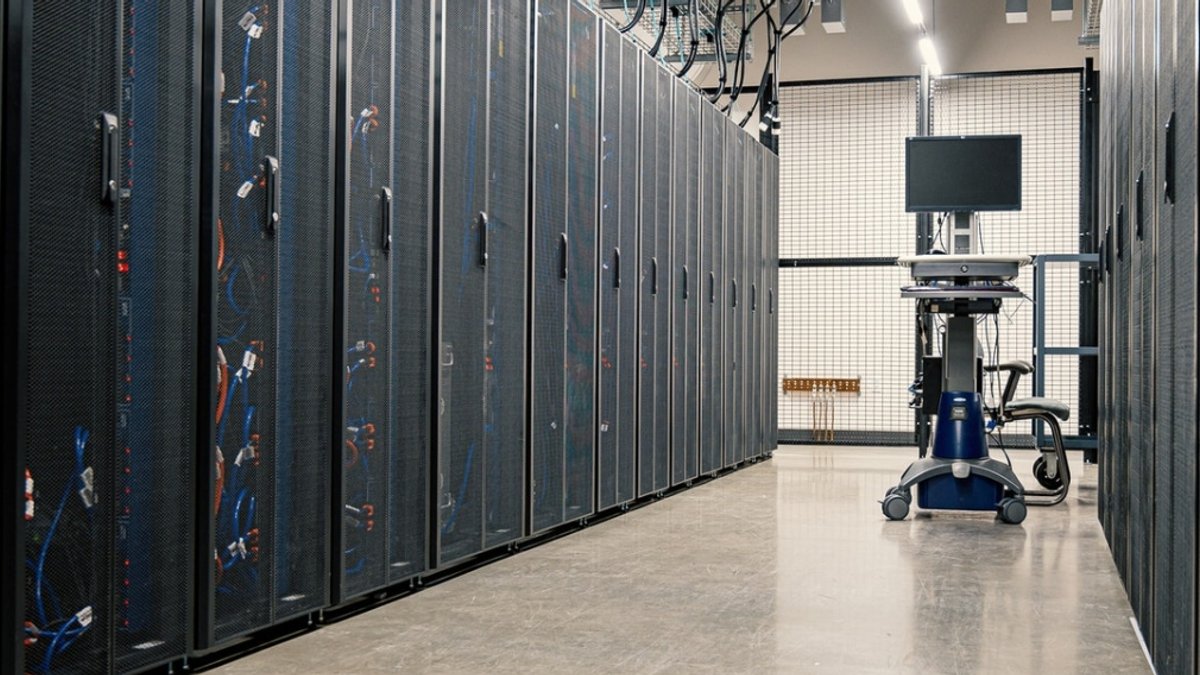
Malaysia’s data centre capacity has surged by 132% in just two years, outpacing growth in other emerging markets, according to Savills’ latest analysis. Johor Bahru, a city across the causeway from Singapore, now hosts 1,310 MW of live IT capacity and has become a focal point for regional expansion as land and power constraints tighten in neighboring Singapore. This rapid expansion reflects both the region’s growing digital economy and the strategic positioning of Johor Bahru as a cost-effective alternative to Singapore’s high land and power premiums.
The growth reflects a broader shift in Southeast Asia’s data centre environment. Indonesia’s capacity rose 66% since 2024, while India and Australia saw increases of 35% and 32%, respectively. Saudi Arabia, the Philippines, and Finland also expanded rapidly, though their total capacity remains modest compared to global leaders like the US (50 GW) and China. Savills’ Power and Place Index, which evaluates 54 markets on power, water, and climate constraints, ranks Johor Bahru 18th globally for future development potential. The index highlights how emerging markets are now competing with established hubs by offering more flexible land use policies and lower immediate infrastructure pressures, even as they face long-term challenges like grid reliability and environmental regulations.
Singapore’s land crunch forces developers to look elsewhere
Singapore’s established data centre ecosystem remains strategically important, but its growth is now constrained by limited land and grid capacity. Operators valuing data security and reduced latency to mission-critical executions are still seeking permits there. “Only the cream of the crop will get an allocation to build,” said Alan Cheong, executive director of research at Savills Singapore. Cheong noted that while Singapore’s ecosystem remains vital, land and resource constraints mean allocations will favor only the most critical projects, pushing developers toward neighboring markets with more available capacity.
Established markets like the US retain strategic importance due to their connectivity and demand, but rising costs and grid limitations are slowing expansion. Japan, the UK, Germany, Ireland, and the Netherlands also maintain substantial capacity, though their growth has been more modest as grid access constraints increase. Savills notes that these mature markets will remain critical for global data flows, but their high operational costs and regulatory hurdles are making them less attractive for new greenfield developments.
Meanwhile, smaller markets like Malaysia and Indonesia are attracting developers by offering available capacity—even if they face the same long-term challenges of energy costs, land scarcity, and environmental impact. The shift toward emerging markets is driven partly by the need for redundancy, as businesses seek to diversify their data centre footprints across multiple regions to mitigate risks from geopolitical tensions or localized disruptions.
Related Post: July housing data raises new market concerns
Emerging markets race to avoid mature hubs’ long-term pitfalls
Paul Tostevin, head of Savills World Research, called the growth in Malaysia and Indonesia “extraordinary,” though he noted that emerging markets will eventually confront the same pressures now plaguing mature locations. The trend suggests developers are increasingly chasing supply over demand, a shift that could reshape regional infrastructure priorities. Tostevin warned that while these markets offer immediate advantages—such as lower land costs and faster permitting—they must proactively address grid expansion, renewable energy integration, and water management to avoid replicating the constraints seen in older hubs. The rapid capacity growth in Johor Bahru, for instance, will require sustained investment in power reliability and environmental safeguards to ensure long-term viability.
Johor Bahru’s expansion is driven partly by its proximity to Singapore, where power and land shortages have made new builds difficult. The city’s 1,310 MW capacity now rivals some established hubs, though its long-term viability will depend on sustaining power reliability and managing environmental risks. Johor Bahru’s advantage lies in its ability to leverage Singapore’s digital economy while offering more flexible infrastructure development, including partnerships with local utilities to secure power supply.
US dominance wanes as Southeast Asia’s cost advantages grow
The US remains the largest market globally, with 50 GW of live IT power, a 19% increase since 2024, but even there, grid access and rising costs are complicating future growth. Savills’ data shows that while mature markets will stay critical, the next wave of expansion is likely to focus on markets with fewer immediate constraints, even if those challenges emerge later. The analysis shows a global trend where developers prioritize regions with available land, predictable regulatory environments, and access to renewable energy sources, despite potential long-term risks. This strategy is particularly evident in Southeast Asia, where countries like Malaysia and Indonesia are positioning themselves as alternatives to Singapore’s saturated market.
For now, Malaysia’s rapid growth shows how quickly data centre demand can redirect to alternative locations when supply in traditional hubs becomes restricted. The shift may benefit regional businesses seeking redundancy, but it also highlights the need for emerging markets to plan for infrastructure strains before they become critical. As demand continues to outpace supply in established hubs, the competition for new data centre sites will intensify, forcing markets like Johor Bahru to balance short-term growth with sustainable long-term development. The region’s ability to attract investment will depend on its capacity to mitigate risks while maintaining the agility that has driven its recent success.


